
Preventive Dental Care for Families: A Practical Guide
What happens at a routine dental check-up, why early visits matter for children, and how families can build simple habits and reminders that keep preventive care on track.
- June 5, 2026
- Updated October 17, 2026
- 4 min read
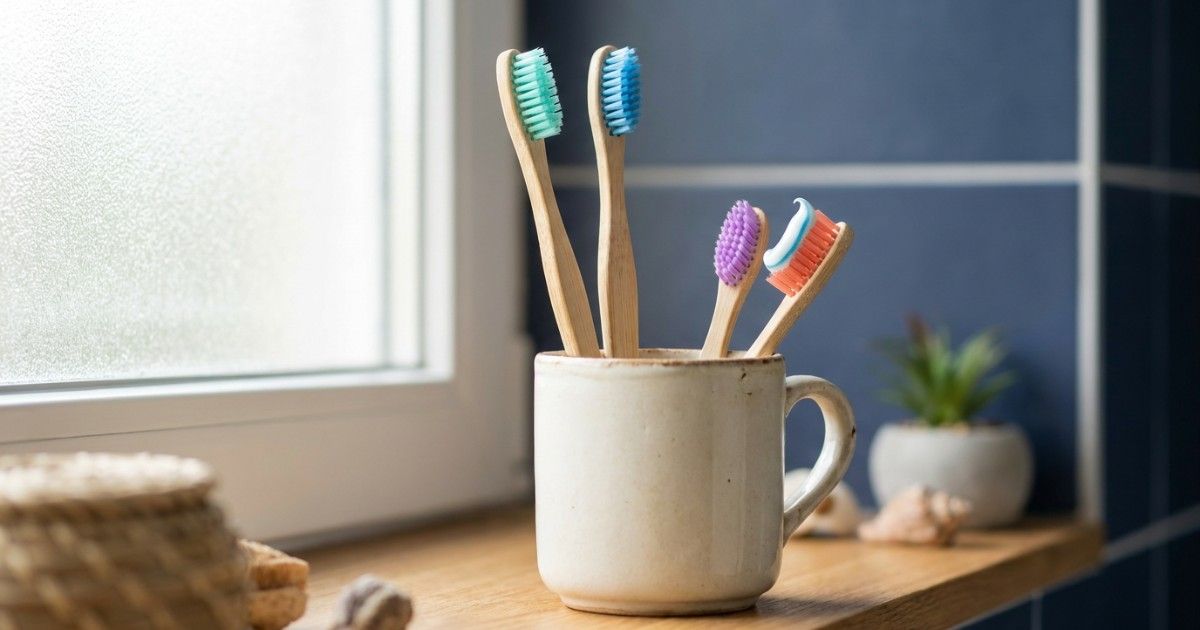
Preventive dental care is the routine care that keeps teeth and gums healthy before problems start. It combines regular check-ups and professional cleanings with daily brushing, flossing and sensible eating at home. For families, it means fewer emergencies, lower long-term costs and children who grow up comfortable visiting the dentist.
What happens during a routine dental check-up?
A routine dental check-up is an examination of your teeth, gums and mouth, usually followed by a professional clean. It is designed to find problems early, often before you notice any pain.
The dentist or hygienist looks for signs of decay, gum problems and wear. They may take X-rays if they need to see between teeth or below the gum line. They will also ask about your general health and any medicines you take.
A clean removes hardened plaque, called tartar, that brushing at home cannot shift. Afterwards, your dental team will explain what they found and suggest any next steps.
Gum health matters beyond the mouth. Your dental team can tell you if anything they see needs a conversation with your doctor.
Most check-ups take well under an hour. If you feel anxious, tell the team at the start. They can explain each step and pause whenever you need.
How often should families visit the dentist?
How often your family visits the dentist depends on each person's oral health, so ask your dentist to set the interval. Many families are seen about every six months, but some people need more or fewer visits.
Children's mouths change quickly as baby teeth fall out and adult teeth arrive. People with braces, gum problems or frequent fillings may also need closer follow-up.
Booking the whole family on the same day can make visits easier to manage. Ask the clinic whether it offers back-to-back family appointments.
Do not wait for your next routine visit if something changes. Contact your dental clinic if you notice pain, swelling, bleeding gums or a broken tooth.
When should children first see a dentist?
Many dental organisations suggest a child's first visit when the first tooth appears or around their first birthday. Ask your dentist what they recommend for your child.
Early visits are usually short and gentle. They let the dentist check how teeth are developing and give parents practical tips on brushing and diet.
Just as important, children learn that the dental clinic is a safe, friendly place. That comfort makes future visits much easier for everyone.
Your dentist may talk to you about protective options such as fluoride treatments or sealants. They will explain whether these suit your child.
What can families do at home to protect their teeth?
Families protect their teeth at home through a simple daily routine and sensible eating habits. Small, consistent steps matter more than occasional big efforts.
- Brush twice a day, including last thing at night, with a fluoride toothpaste.
- Clean between teeth regularly with floss or small brushes, as your dentist advises.
- Supervise young children's brushing, and ask your dentist how much toothpaste to use.
- Keep sugary drinks and snacks to mealtimes rather than all day.
- Drink water between meals and replace toothbrushes when the bristles wear out.
Making brushing a shared family routine helps children copy good habits. A song or timer can make two minutes feel shorter.
Teenagers often need gentle reminders as they become independent. Sports, braces and late-night snacking can all affect their teeth, so keep the conversation going.
Adults matter too. Parents who keep their own check-ups show children that dental care is a normal part of family life.
How can families in Kenya make preventive care easier to keep up?
Families keep up preventive care more easily when booking, reminders and payment are simple. Many Kenyan dental clinics now offer tools that help.
- SMS or WhatsApp reminders so the next check-up is not forgotten
- Online booking from your phone, outside working hours
- M-Pesa payment with clear receipts in KES
- Forms you can complete before arriving, to shorten your wait
Cost is a common reason families delay care. Ask the clinic for a clear estimate before treatment. Check which services your Social Health Authority (SHA) or private insurance cover includes.
Your health information is protected under Kenya's Data Protection Act 2019. A good clinic will explain how it uses your details and ask for consent before sending reminders.
Keeping one family calendar, on paper or your phone, helps you spot when each person is due. Add the next check-up before you leave the clinic.
Frequently asked questions
Why do families delay preventive dental care?
Common reasons include cost worries, busy schedules, fear of the dentist and not realising problems can start without pain. Clear reminders and upfront prices help.
Is a check-up necessary if nothing hurts?
Yes. Decay and gum problems often develop quietly. Finding them early usually means simpler care.
How can I help a nervous child at the dentist?
Start visits early, keep your tone positive and let the dental team explain each step. Many clinics are happy to do a short familiarisation visit.
Can the whole family be seen on one day?
Often, yes. Ask your clinic about back-to-back family appointments and a single reminder for everyone.
What should I bring to a check-up?
Bring your ID, any insurance or SHA details, a list of medicines and any questions you want to ask.
Run a dental practice? See how Tymira360 for dental supports recalls and family reminders – Book a demo
About the author

Tymira Health Success Team
Healthcare Operations and Customer Success
Insights from the Tymira Health Success Team on healthcare practice management, patient experience, healthcare finance, specialty care workflows, and clinic operations.
More from Tymira Health Success Team