
Mental Health Billing Software: What Clinics Should Look For
A buyer's checklist for mental health billing software in Kenya: what to test for invoicing, M-Pesa, insurer claims, receipts, reporting and data protection.
- October 12, 2026
- Updated October 17, 2026
- 5 min read
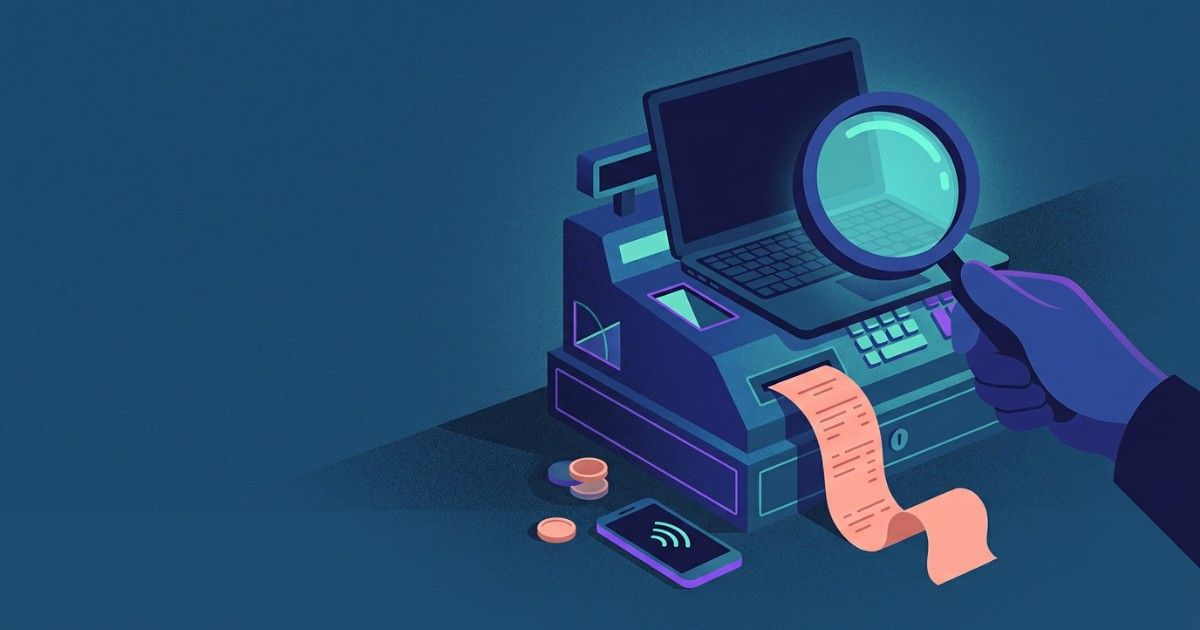
Mental health billing software should turn every attended session into an accurate invoice. It should collect payment through the channels patients use and track insurer claims to settlement. Look for session-linked billing, M-Pesa and card support, SHA and insurer claim tracking, eTIMS-ready receipts, role-based access and clean reconciliation reports.
What is mental health billing software?
Mental health billing software manages the money side of therapy: fees, invoices, payments, receipts, claims and balances. The best tools do this inside the same system as scheduling and clinical notes.
Therapy billing has its own patterns. Sessions recur, packages and sliding scales are common, and late cancellations need a clear policy. Generic retail or accounting tools rarely handle these well.
Billing software is not an accounting package. It feeds your accounts, but its job is to make sure every session is billed correctly and every shilling is traced.
In practice, good billing software answers three questions instantly. What was billed, what was paid and what is still owed, by whom.
Which features should mental health billing software include?
Mental health billing software should include features that link billing to care delivery and to local payment channels. Use this list as your baseline when comparing vendors.
- Session-linked invoicing: a charge is created from the appointment and its attendance status.
- Flexible fee rules: per-session fees, packages, sliding scales, corporate and donor-funded programmes.
- Payment channels: M-Pesa, card, bank transfer and cash, with each payment matched to an invoice.
- Claims tracking: insurer and SHA submissions with statuses such as submitted, queried, approved and paid.
- Receipts and tax: automatic receipts and support for KRA eTIMS invoicing where it applies to your clinic.
- Patient balances: clear statements patients can see, ideally through a patient portal.
- Reporting: collections, ageing and revenue by clinician, service and payer.
Two capabilities deserve extra scrutiny. One is whether billing is linked to session documentation. The other is how the system handles attendance, no-shows and late cancellations.
How should you evaluate billing software before buying?
Evaluate billing software by running your real workflows through it, not by reading a feature list. A short, structured trial reveals most gaps.
- Write down your five most common billing scenarios, including one insurer claim and one package.
- Ask the vendor to run each scenario live, from booking to receipt.
- Make a test M-Pesa payment and check how it is matched to the invoice.
- Cancel a session late and see what the system does with the charge.
- Export a month-end report and try to reconcile it with a sample statement.
- Check who can edit, discount or void an invoice, and whether each change is logged.
Involve your finance administrator and one clinician in the trial. Each will spot problems the other misses.
Also ask about migration. Find out how opening balances, active packages and unpaid invoices move from your old system or spreadsheets.
What do Kenyan clinics need from billing software?
Kenyan clinics need billing software that treats mixed payers and mobile money as everyday workflows. A system designed around one insurer and card payments will create manual work.
Many patients pay some or all of their fees through M-Pesa. Look for automatic matching of payment references, so staff are not copying transaction codes into spreadsheets.
The Social Health Authority (SHA) replaced NHIF in October 2024, and clinics have had to adjust claims processes. Choose software that tracks claims by payer and status, whatever the scheme.
Corporate wellness and employee assistance programmes are another common payer. Billing software should invoice the employer for agreed sessions while keeping each employee's attendance confidential.
Ask where billing data is hosted and how it is protected. Cross-border hosting must be assessed under the Data Protection Act 2019. Our data protection compliance checklist for clinics in Kenya lists the questions to ask vendors.
What are the most common billing software mistakes?
The most common mistake is choosing billing software that sits apart from scheduling and notes. Staff then re-enter data, and errors follow.
- Buying on licence price alone, then paying later in manual reconciliation time.
- Ignoring discounts and write-offs, which need approval rules and an audit trail.
- Letting every user see every patient's balance and payment history.
- Skipping staff training on fee rules, so each receptionist bills differently.
For a wider view of financial health, read our piece on structured billing and sustainable mental healthcare delivery.
Frequently asked questions
Do small private practices need dedicated billing software?
Even a solo therapist benefits from session-linked invoices and automatic receipts. The main gain is time and accuracy. Choose a tool that scales as you add clinicians.
Can billing software handle sliding-scale fees?
Good systems let you set fee rules per patient or programme, with approval for exceptions. Record the reason for each reduced fee, so reporting stays accurate.
Should billing and clinical notes be in the same system?
Ideally yes, with role-based access. Billing staff need attendance and service details, not note content. One system with permissions avoids duplicate entry and limits exposure.
How does billing software help with insurer claims?
It packages the session details insurers ask for and tracks each claim's status. Queries and rejections become visible early, before they turn into old debt.
How does Tymira360 approach mental health billing?
Tymira360 links scheduling, session notes and billing in one platform, so charges follow attended sessions. In a demo, we can walk through your own payment channels and payers.
See how Tymira360 handles mental health billing – Book a demo
About the author

Tymira Health Success Team
Healthcare Operations and Customer Success
Insights from the Tymira Health Success Team on healthcare practice management, patient experience, healthcare finance, specialty care workflows, and clinic operations.
More from Tymira Health Success Team