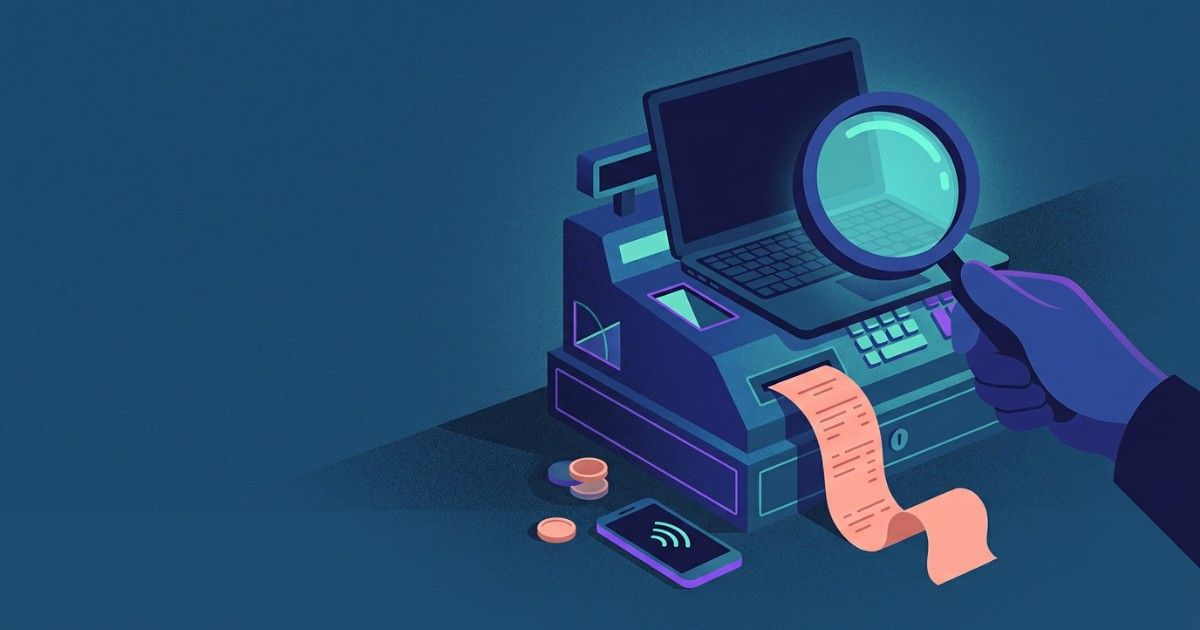
How Structured Notes Reduce Compliance Risk in Mental Health Clinics
How structured templates, sign-off rules, audit trails and access controls make mental health records safer, easier to audit and aligned with Kenyan data law.
- August 9, 2026
- Updated October 17, 2026
- 5 min read

Structured documentation reduces compliance risk by making every mental health record complete, consistent and traceable. Templates prompt for required fields, sign-off rules keep notes timely, audit trails show who changed what, and role-based access limits who sees sensitive content. Together they help clinics meet the Data Protection Act 2019 and respond confidently to audits.
What is structured documentation in mental health?
Structured documentation means recording key information in defined fields and templates, alongside free-text clinical narrative. It makes records consistent across clinicians.
Examples include intake forms, consent records, session note templates and risk review fields. Each captures the same core facts every time.
Good templates are short and specific to the service. A couples session template, for example, may differ from an individual one.
Structure does not mean tick-box therapy. Clinicians still write in their own words wherever clinical reasoning matters.
Structured documentation also helps new staff. When every record follows the same pattern, a locum or new clinician can find what they need quickly.
How does structured documentation reduce compliance risk?
Structured documentation reduces compliance risk by closing the gaps that audits, complaints and data protection reviews usually find. Most of those gaps are omissions, delays or uncontrolled access.
- Missing consent: templates require consent status before care proceeds.
- Late notes: sign-off timeframes and reminders keep records current.
- Altered records: locked notes with addenda preserve the original entry.
- Over-sharing: role-based access restricts who sees clinical content.
- Untraceable changes: audit trails log every view and edit.
Consent is often the first gap. Our article on consent governance and patient trust explains how to manage it across the patient journey.
Each control is simple on its own. Together they give the clinic evidence that records are complete, timely and protected.
What should a compliant mental health record include?
A compliant mental health record includes identity, consent, clinical documentation and an access history, all linked to one patient. Your clinical and legal leads should confirm the full list for your service.
- Verified patient details and an emergency contact.
- Consent records for care, data processing and any sharing.
- Signed session notes with date, time, clinician and delivery mode.
- Risk reviews and follow-up actions, where clinicians record them.
- Correspondence and referrals, with dates.
- A full audit trail of access and changes.
Keep each template short. Long forms encourage copy-and-paste notes, which create their own compliance problems.
How do you introduce structured documentation step by step?
Introduce structured documentation by agreeing standards with clinicians first, then configuring templates, then auditing use. Clinician buy-in matters more than the software.
- Review a sample of de-identified records to find common gaps.
- Agree the minimum required fields for intake, sessions and discharge.
- Build templates that keep free text for clinical reasoning.
- Set sign-off timeframes and an addenda process for corrections.
- Configure role-based access for each staff group.
- Train clinicians and admin staff separately, using real workflows.
- Audit a sample of records each quarter and share the findings.
Start with the documents that carry most risk, such as consent and session notes. Add intake and discharge templates once the first set is working.
What do mental health clinics in Kenya need to comply with?
Mental health clinics in Kenya need documentation practices that satisfy the Data Protection Act 2019 and professional standards. Health data is sensitive personal data under the Act.
Providers of patient care must register with the ODPC. If a data breach creates a real risk of harm, the ODPC must be notified within 72 hours.
The Kenya Mental Health Act and the Digital Health Act 2023 also shape how records are kept and shared. Ask your legal adviser to review your documentation policy against both.
Use our data protection compliance checklist for clinics in Kenya to test your current controls.
Assign a named data protection lead. That person keeps the policy current, handles access requests and coordinates any breach response.
How does structured documentation help billing and reporting?
Structured documentation helps billing and reporting because the same fields that satisfy compliance also confirm what was delivered. One record serves several purposes.
Signed notes with structured service fields support cleaner claims. See why billing should be linked to session documentation.
Structured fields also make reporting possible without reading clinical content. For the wider feature set, read what features a mental health EHR should include.
Board and funder reports also benefit. Aggregated figures, such as notes signed on time, can be produced without anyone opening an individual record.
Frequently asked questions
Will structured templates make notes less personal?
Not if they are designed well. Templates capture core facts, while free-text fields keep space for clinical reasoning and the patient's own words.
How long should mental health records be kept?
Retention periods depend on legal and professional requirements. Agree a written retention policy with your legal adviser and apply it consistently.
Can a signed note be edited?
Best practice is to lock signed notes and add dated addenda for corrections. The audit trail then shows both the original and the change.
Who should audit documentation quality?
A clinical lead or supervisor usually reviews quality, supported by a compliance or data protection lead. Use de-identified samples wherever possible.
See how Tymira360 structures mental health records for safer compliance – Book a demo
About the author
Tymira Health Success Team
Healthcare Operations and Customer Success
Insights from the Tymira Health Success Team on healthcare practice management, patient experience, healthcare finance, specialty care workflows, and clinic operations.
More from Tymira Health Success Team