Reduce No-Shows in Mental Health Clinics Without Overwhelming Clients
Practical ways for mental health clinics to reduce no-shows without overwhelming clients: well-timed SMS reminders, easy rescheduling, fair cancellation policies, M-Pesa deposits and caring follow-up.
- August 31, 2026
- Updated October 17, 2026
- 4 min read
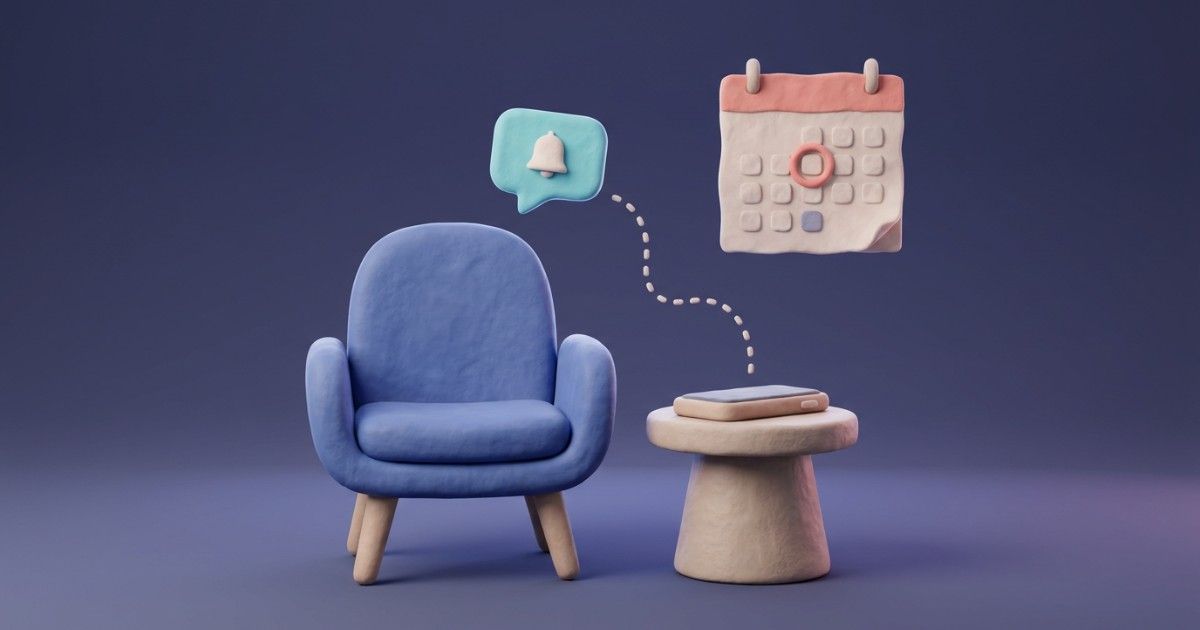
Mental health clinics reduce no-shows by making sessions easy to attend, confirm and reschedule. That means a small number of well-timed, respectful reminders, simple ways to change a booking, fair cancellation policies and a caring follow-up when someone misses a session. The aim is to support engagement, not to pressure clients who may already be struggling.
Why do clients miss therapy sessions?
Clients miss therapy sessions for practical and emotional reasons. Common causes include forgetting, transport problems, work changes, cost worries and low mood.
Some clients feel anxious about the next session or unsure whether therapy is helping. Others simply find it hard to reschedule.
Understanding the reason matters. A reminder fixes forgetting, but it does not fix fear, cost or a booking process that feels difficult.
No-shows also affect the clinic. An empty slot is lost clinician time, and other clients on the waiting list could have used it.
The goal is balance. Protect the clinic's capacity while respecting that attendance can be hard for people in distress.
How many reminders should a therapy client receive?
Most clients need one or two reminders per session, not a stream of messages. Too many messages can feel intrusive, especially in mental health care.
A simple pattern works for many clinics:
- A confirmation when the session is booked.
- A reminder one or two days before, with an easy reschedule option.
- An optional short reminder on the day, if the client has agreed to it.
Let clients choose their preferred channel, such as SMS, WhatsApp or email. Record their consent to receive reminders, and stop immediately if they opt out.
How should reminders be worded for mental health clients?
Reminders should be short, warm and discreet. They should never reveal the nature of the service to someone else reading the phone.
Use a neutral sender name and avoid words that disclose mental health care. Include the date, time, location or video link, and a simple way to reply.
Keep the tone supportive. "We look forward to seeing you" works better than warnings about fees.
Offer Kiswahili or other local-language options where your clients prefer them. Short messages also cost less to receive and read on low-data phones.
How do you build a no-show reduction plan step by step?
Build a plan by measuring the problem first, then testing small changes. Follow these steps:
- Track no-shows and late cancellations by service, clinician, day and time.
- Review your reminder timing, channel and wording.
- Add one-tap confirm and reschedule options to every reminder.
- Write a clear, fair cancellation policy and share it at intake.
- Offer video sessions as an alternative when travel is the barrier.
- Set up a caring follow-up message or call after any missed session.
- Review results monthly and adjust one change at a time.
Any client-facing wording or follow-up script should be marked "For clinical review" and approved by your clinical lead.
How do Kenyan clinics handle deposits and no-show fees?
Kenyan clinics often use M-Pesa deposits to secure bookings, especially for longer or high-demand sessions. A small deposit can encourage attendance without being a barrier.
Explain any deposit or late-cancellation fee clearly in KES before the first session. Apply it consistently, with discretion for genuine emergencies.
Send deposit requests by SMS with a paybill or till reference linked to the booking. Our guide to reconciling clinic payments across M-Pesa, cash, card and insurance explains how to match them.
Remember that reminder content and phone numbers are personal data under the Data Protection Act 2019. Keep reminder text discreet and store contact details securely.
What should happen after a missed session?
After a missed session, the clinic should reach out with care and offer an easy way to rebook. The message should feel supportive, not punitive.
A short note such as "We missed you today. Would you like to book another time?" keeps the door open. Avoid long explanations or fee reminders in the same message.
Repeated missed sessions may need a clinician conversation rather than more messages. The clinician can explore barriers and agree a plan that suits the client.
If there are safety concerns, follow your clinic's agreed risk procedures and record every action taken.
If someone is in immediate danger, contact emergency services. In Kenya, call 999, 112 or 911.
Frequently asked questions
What is a normal no-show rate for therapy?
It varies widely by service, setting and client group. Track your own baseline and focus on steady improvement rather than comparing with others.
Do reminders really reduce no-shows?
Reminders help most when clients forget. They work best combined with easy rescheduling, clear policies and a caring follow-up.
Should we charge for missed therapy sessions?
That is a practice policy choice. If you charge, explain the rule in writing before therapy starts and apply it fairly and consistently.
Which reminder channel works best in Kenya?
SMS is widely accessible, while WhatsApp suits many urban clients. Let each client choose, and record their consent.
Can video sessions reduce no-shows?
They can help when travel, cost or time are barriers. Offer video as an option where it is clinically appropriate.
See how Tymira360 supports mental health clinics with reminders and scheduling – Book a demo
About the author

Tymira Health Success Team
Healthcare Operations and Customer Success
Insights from the Tymira Health Success Team on healthcare practice management, patient experience, healthcare finance, specialty care workflows, and clinic operations.
More from Tymira Health Success Team